I've always been fascinated by technology that can improve our daily lives, especially for those facing challenges. Recently, I've been exploring the potential of smart glasses, specifically how they can assist people with visual impairments. The idea of stylish, accessible tech at a reasonable price point is incredibly exciting, and I wanted to share my journey and findings.
I was particularly interested in the Meta Ray-Ban glasses and their capabilities. The price point compared to dedicated medical equipment is attractive, and the design is definitely more appealing. My initial question was: can these glasses actually read text aloud? Could they become a useful tool for people with visual disabilities?
A friend of mine, who is legally blind, recently got a pair of these glasses. He's been experimenting with them for about a week, and his initial impressions are very positive. He described them as a "game changer." He was eager to find out how to get the glasses to read text verbatim. He tried different commands, and eventually, we found one that worked pretty well.
We discovered that saying, "Hey Meta, look and read what's on this page verbatim" often worked. It wasn't perfect, but it was a great starting point. This command allowed the glasses to read text from documents and signs, which was incredibly helpful for navigation and accessing information.
We also started exploring other use cases. One idea was to use the glasses to describe people or read pill bottles, which would be incredibly handy. However, we quickly realized that the glasses weren't quite there yet. They weren't able to perform these tasks reliably.
I realized that the technology is still evolving. While the glasses offer some fantastic features, there are limitations. One reason for these limitations, I suspect, is that medical devices are heavily regulated. Tech companies have to be cautious about marketing these glasses as medical aids without proper FDA approval. The functionality is there, but the official support and marketing are understandably limited.
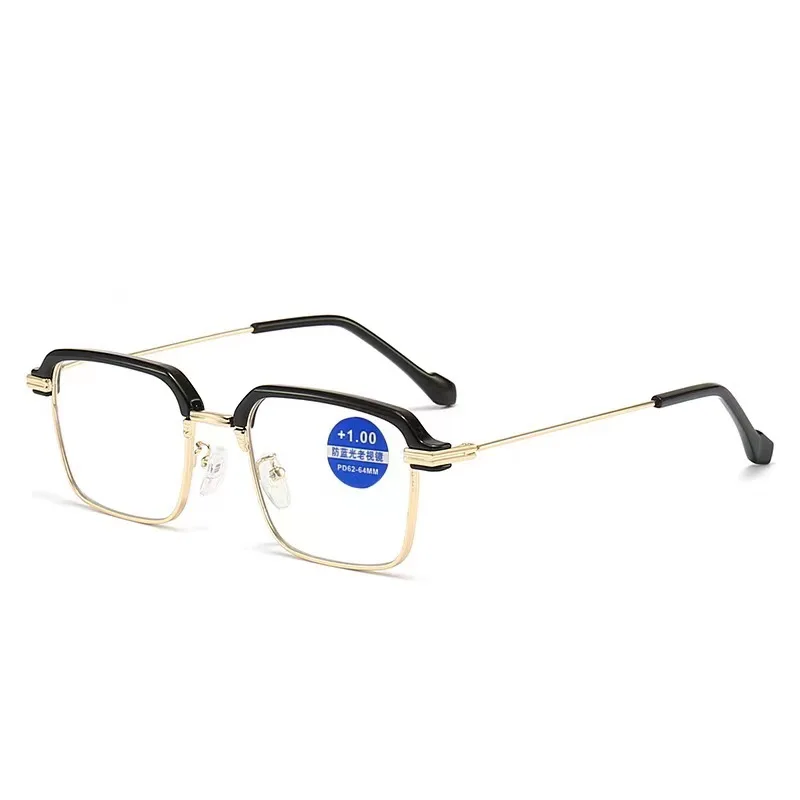
During my research, I stumbled upon a different solution for reading assistance, especially for those who need help with presbyopia or far-sightedness. I found these Women's Trendy Far Sight Glasses from Mozaer. They offer a stylish and practical way to improve vision for reading and close-up work.
I have tried these glasses myself, and I'm impressed with their clarity and comfort. The half-frame design is lightweight and doesn't obstruct my vision when I'm not actively reading. The metal frame feels durable and adds a touch of elegance. They are available on the Mozaer website. They're a great option if you're looking for fashionable and functional reading glasses. I find that for general reading tasks, they provide a much clearer and more comfortable experience compared to relying solely on the smart glasses' audio output.
Based on my experience, here are some practical tips for using smart glasses for visual assistance: